September 25, 2026

Ethan Pope is the voice behind The Bourbon Bishop —an independent whiskey platform focused on honest reviews and thoughtful analysis. He also works with distilleries on product feedback, blending input, and brand strategy.
There are enough distilleries making genuinely interesting whiskey that the hardest part for someone new to the state’s spirits scene might be figuring out where to begin.
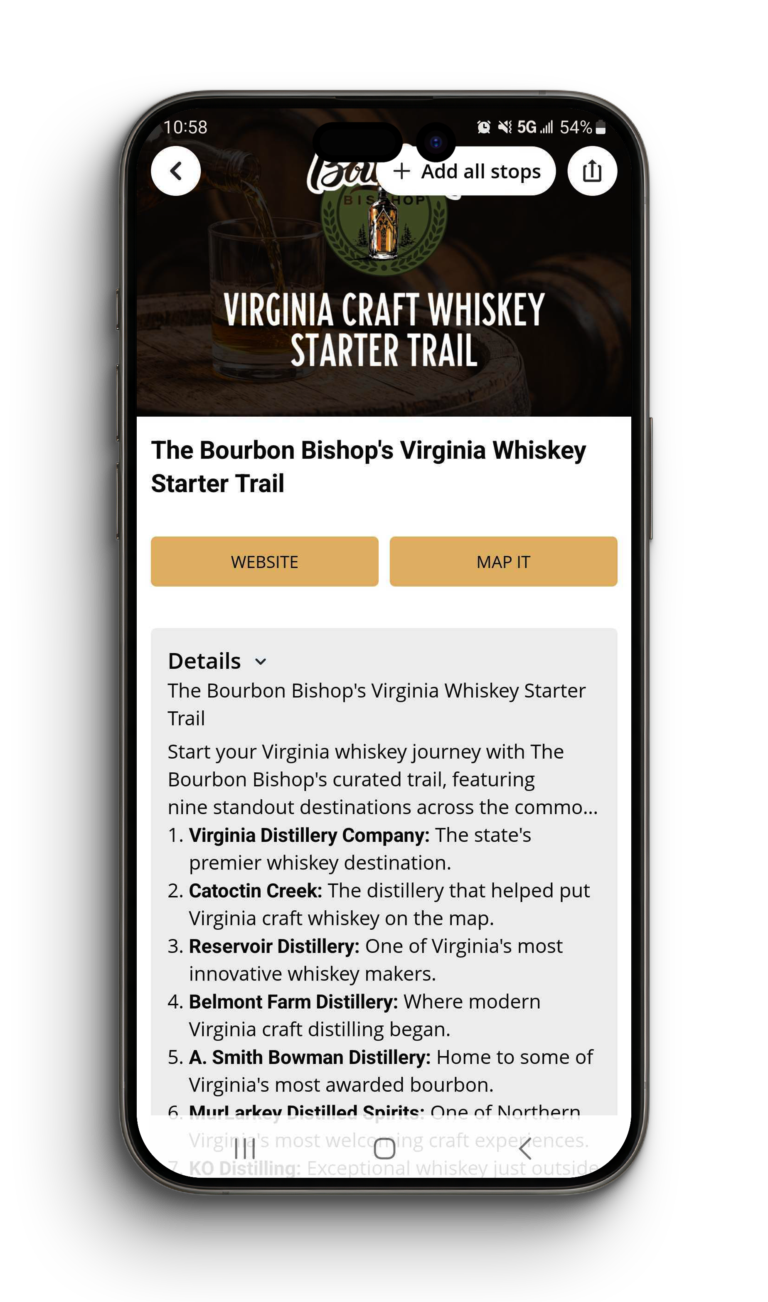
That was the idea behind my Virginia Craft Whiskey Starter Trail in the Virginia Spirits app.
I didn’t set out to create a list of the nine “best” distilleries in Virginia. There are far too many variables, and far too many places I haven’t visited yet, for that.
Instead, I wanted to create a starting point.
After spending the past several months visiting Virginia distilleries, tasting their whiskey, talking with the people making it and getting a better feel for what makes each place different, I chose nine stops that I think give someone a great introduction to the depth and variety of Virginia craft whiskey.
The goal was simple: show people that there’s no single Virginia whiskey story.
Continue reading to see why each of these stops made the trail.
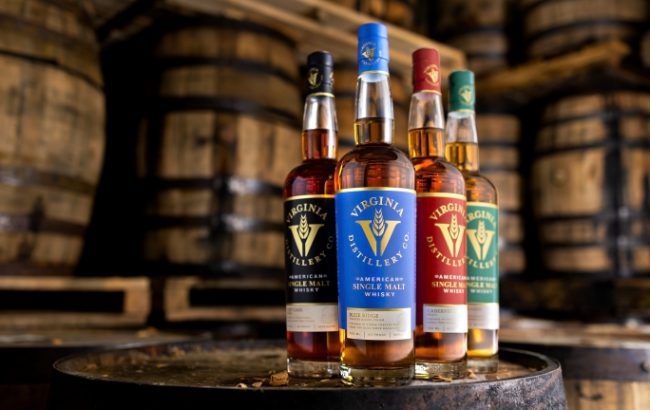
Virginia Distillery Company is a natural place to start because it demonstrates just how ambitious Virginia whiskey can be.
Located in Lovingston, the distillery has built a reputation around Virginia single malt while drawing heavily from the traditions of Scotch whisky. A visit gives you a chance to see that influence firsthand, from malting and milling through production and maturation.
But what stood out to me was the willingness to keep experimenting while taking the whiskey seriously.
For anyone who wants to follow that experimentation beyond a single visit, the Courage Club offers access to club-exclusive whiskies, limited releases and member experiences. It feels like a natural extension of what makes the distillery interesting: there is always another side of American single malt to explore.
Virginia Distillery Company shows that Virginia doesn’t have to imitate Kentucky, or Scotland, to make compelling whiskey. It can take inspiration from both and build something distinctly its own.
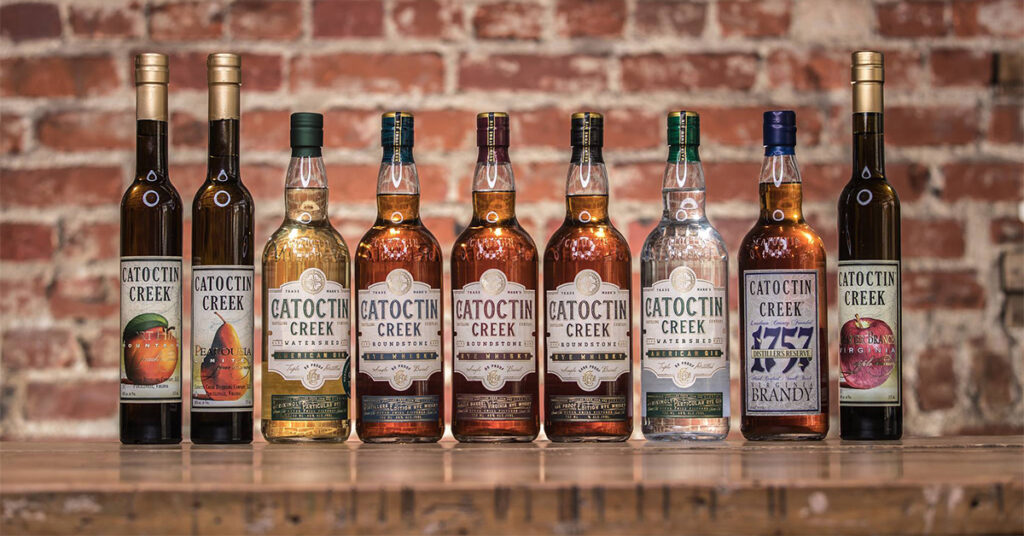
Catoctin Creek is one of the places I would point someone toward if they want to understand the history and personality of Virginia rye.
Founded in 2009 by Becky and Scott Harris in Purcellville, Catoctin Creek helped establish Loudoun County as a serious home for craft spirits. The distillery’s commitment to rye and its grain-to-glass approach give it a distinctive identity within Virginia whiskey.
That exploration can continue through Catoctin Creek’s whisky clubs and barrel program, which give enthusiasts access to special releases and one-of-a-kind rye expressions. For a distillery so committed to understanding what rye can do, those programs offer another way to experience just how much variation can come from a focused approach.
A visit also gives you the chance to meet a distillery that has been part of Virginia’s modern craft spirits story from relatively early on.
For me, Catoctin belongs on a starter trail because it shows how much character can come from choosing a lane and developing it with conviction.
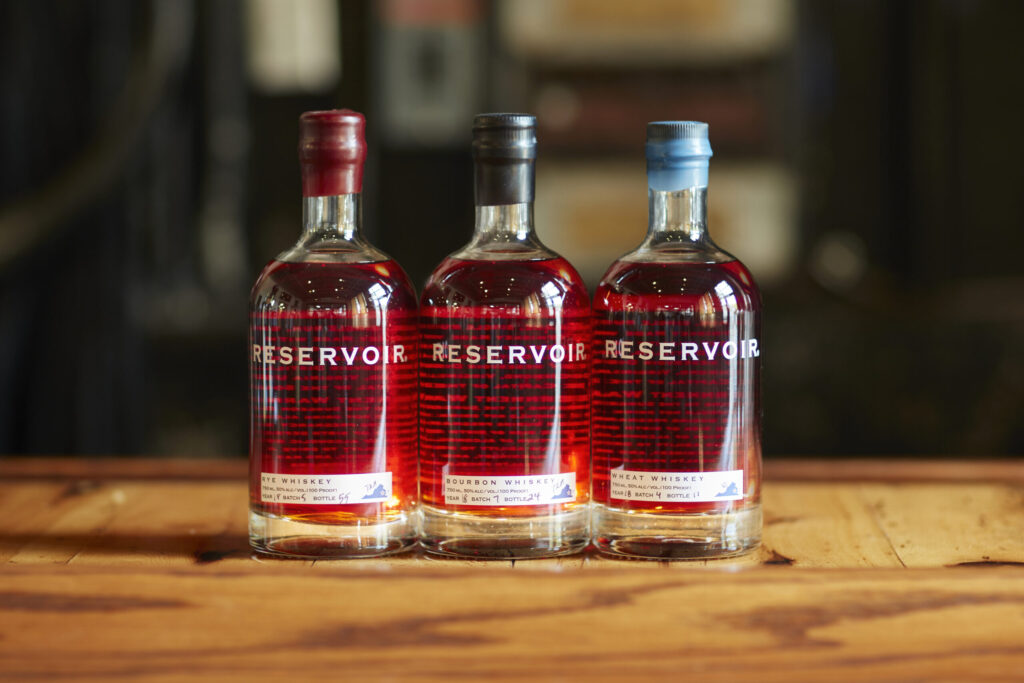
Reservoir is one of the stops that demonstrates why I didn’t want this trail to simply be a collection of traditional bourbon destinations.
Based in Richmond, Reservoir has built its identity around experimentation. Grain selection, fermentation, distillation and maturation are all opportunities to do something a little differently.
That approach can make Reservoir particularly fun to explore in person because the whiskey reflects the curiosity happening behind the scenes.
Reservoir also gives serious whiskey drinkers a way to participate in that curiosity. Its bespoke bottle and barrel program allows clubs, businesses and private groups to create a more personalized whiskey experience, while the Alligator Char Society offers members access to special releases, blends and tastings.
If you’re interested in what happens when a distillery starts questioning the traditional rules of whiskey making, this is a stop worth putting on the list.
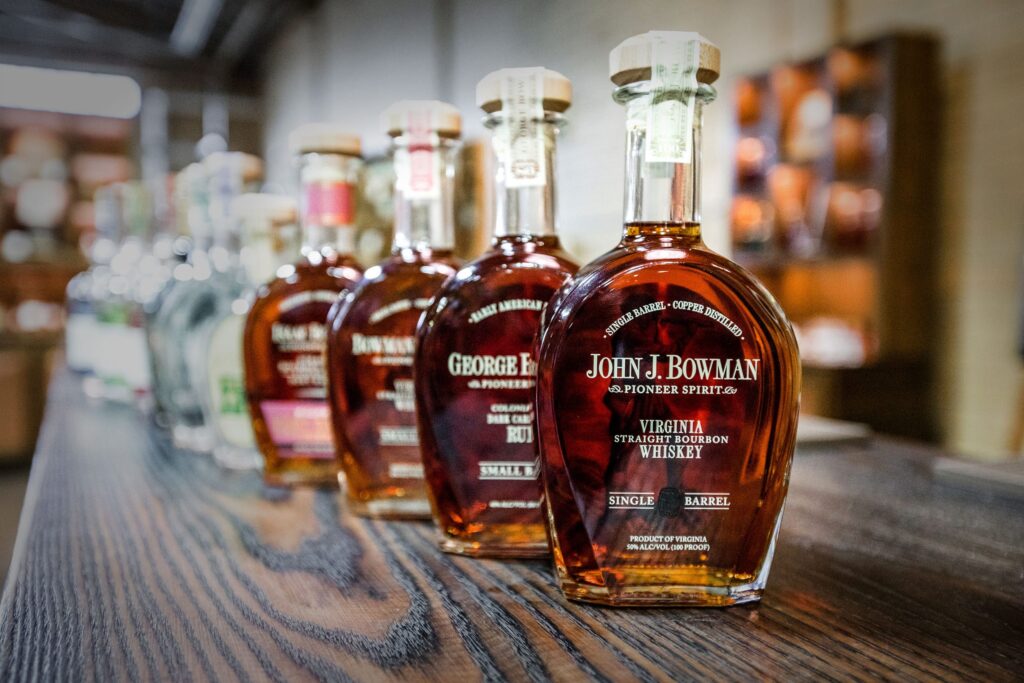
A. Smith Bowman Distillery brings a different piece of Virginia’s whiskey story to the trail: history.
The Fredericksburg distillery traces its roots back to 1934 and carries a name that has been part of Virginia distilling for generations. But walking through the distillery today, you also see a willingness to experiment with what Virginia whiskey can become.
That combination is what caught my attention.
A. Smith Bowman gives visitors a chance to see Virginia whiskey history alongside a modern spirit of experimentation. It’s a reminder that an old name doesn’t necessarily mean an old approach.
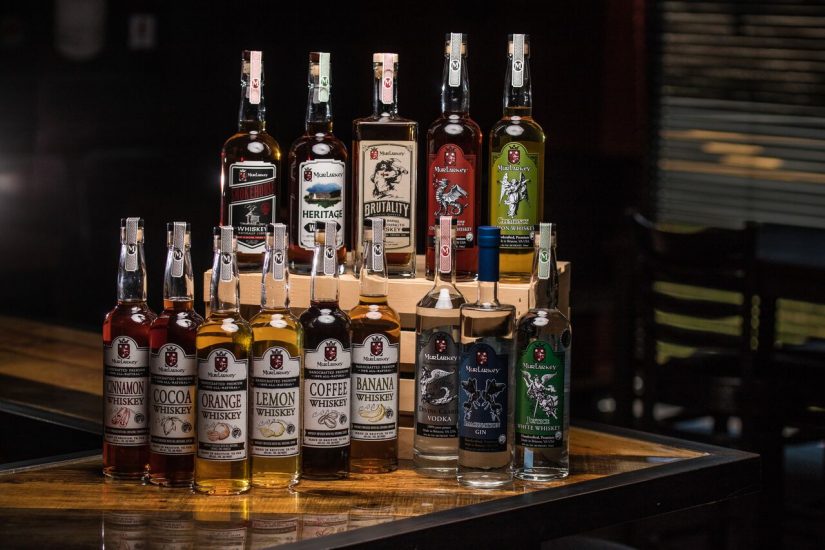
MurLarkey made the trail because whiskey here is about more than what’s in the bottle.
The Manassas distillery puts a lot of emphasis on hospitality and the visitor experience while continuing to experiment with Virginia grain, smoked malt and different expressions.
That’s important because a good distillery visit should be about more than buying a bottle and heading home.
MurLarkey is a place where you can spend some time, learn about the spirits, have an experience and get a better sense of the people behind the brand.
That sense of participation carries into MurLarkey’s Bootleg Boys Club and private barrel-pick program. Both give whiskey enthusiasts a chance to go deeper, whether that means receiving exclusive bottles and joining behind-the-scenes tastings or gathering a group to select a Birthright Bourbon barrel of their own.
For someone beginning to explore Virginia spirits, that’s exactly the kind of stop I wanted represented.
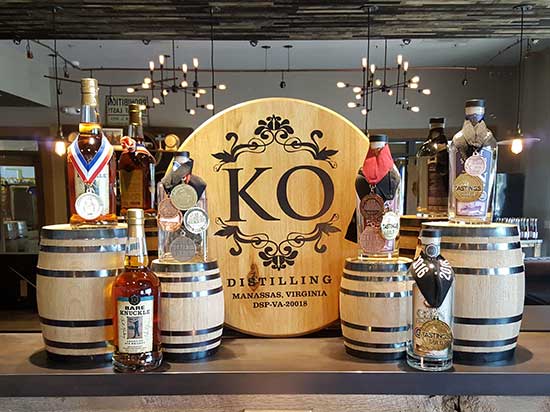
KO Distilling is one of those places that can make you appreciate how much is hiding in plain sight.
Located in Manassas, the distillery is tucked into an area that doesn’t necessarily scream “Virginia whiskey destination.” But behind the industrial surroundings is a veteran-owned distillery making whiskey with Virginia grain and putting out some particularly compelling cask-strength releases.
For groups interested in going beyond the standard tasting-room experience, KO also offers a private barrel program. Participants can taste through a selection that may include bourbon, rye and wheat whiskey before choosing a barrel, making the selection process part of the experience.
There’s also a personal connection for me here. KO is close to where I grew up, which made getting to know the people and whiskey there especially rewarding.
But even without that connection, KO belongs on this trail because it represents something I wanted the entire project to capture: Virginia whiskey isn’t confined to the places you might expect to find it.
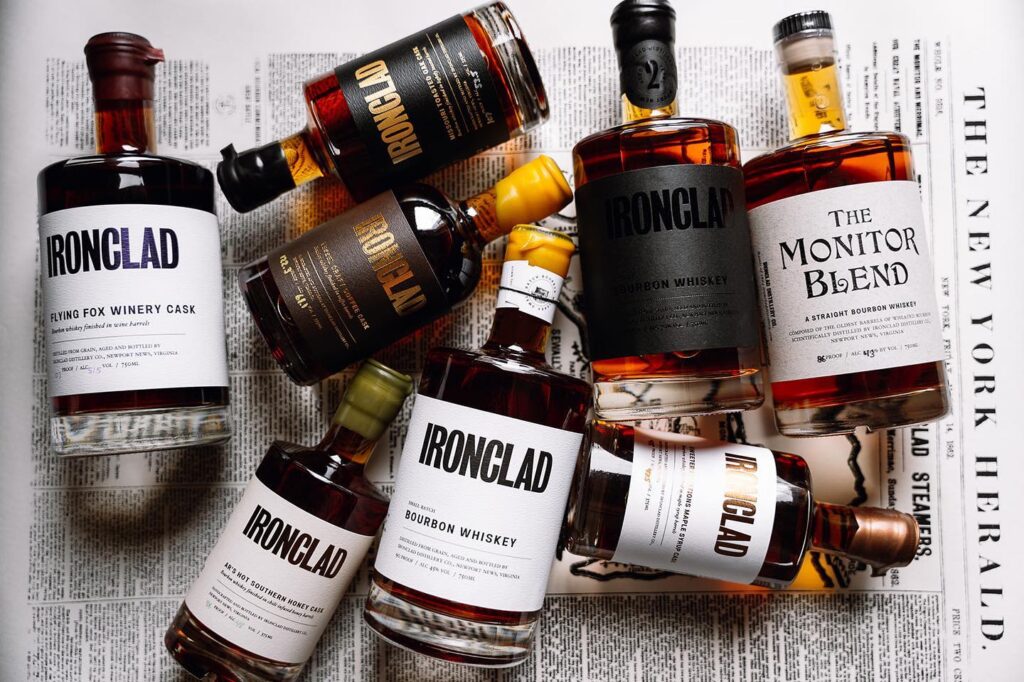
Ironclad brings history, place and experimentation together in a completely different way.
Located in Newport News, the distillery occupies a historic building and draws heavily from the city’s industrial and maritime character. Even the physical experience of visiting feels different from many other Virginia distilleries.
Then there’s the whiskey.
Ironclad isn’t afraid to experiment with finishes and different expressions, creating a lineup that can take you well outside the traditional bourbon framework.
Even its club offering approaches bourbon differently. The Iron Fist Cocktail Club turns the focus toward bottled bourbon cocktails, giving members a new barrel-aged, rare or otherwise inventive creation each month. It is another example of Ironclad taking something familiar and finding a less expected way to present it.
That combination of history and innovation made it an easy choice for the trail.
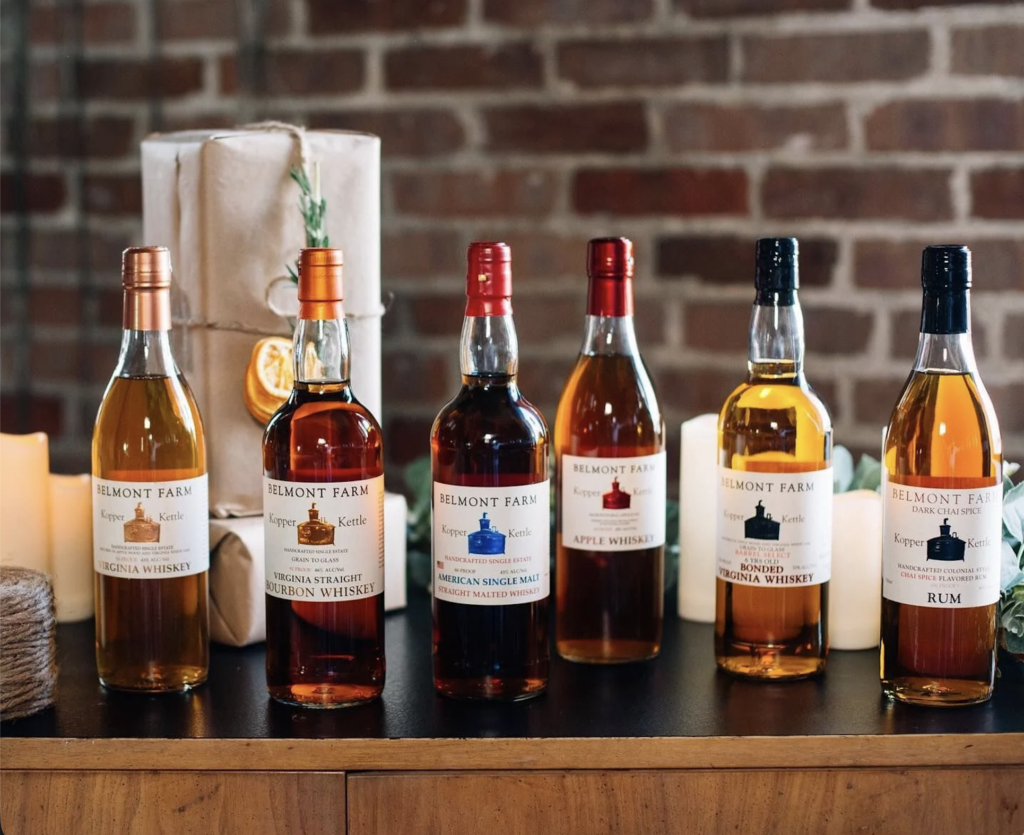
If you’re interested in where Virginia’s modern craft whiskey story began, Belmont Farm deserves a place on your itinerary.
Founded by Chuck and Jeanette Miller in 1988, Belmont Farm has been making whiskey on its family farm in Culpeper for decades.
The experience here is fundamentally different from visiting a newer urban craft distillery. You’re seeing a family operation with deep roots in the land, agriculture and Virginia distilling.
Belmont Farm gives the trail a connection to the early days of Virginia’s modern craft whiskey movement and a reminder that the state’s whiskey story didn’t begin yesterday.
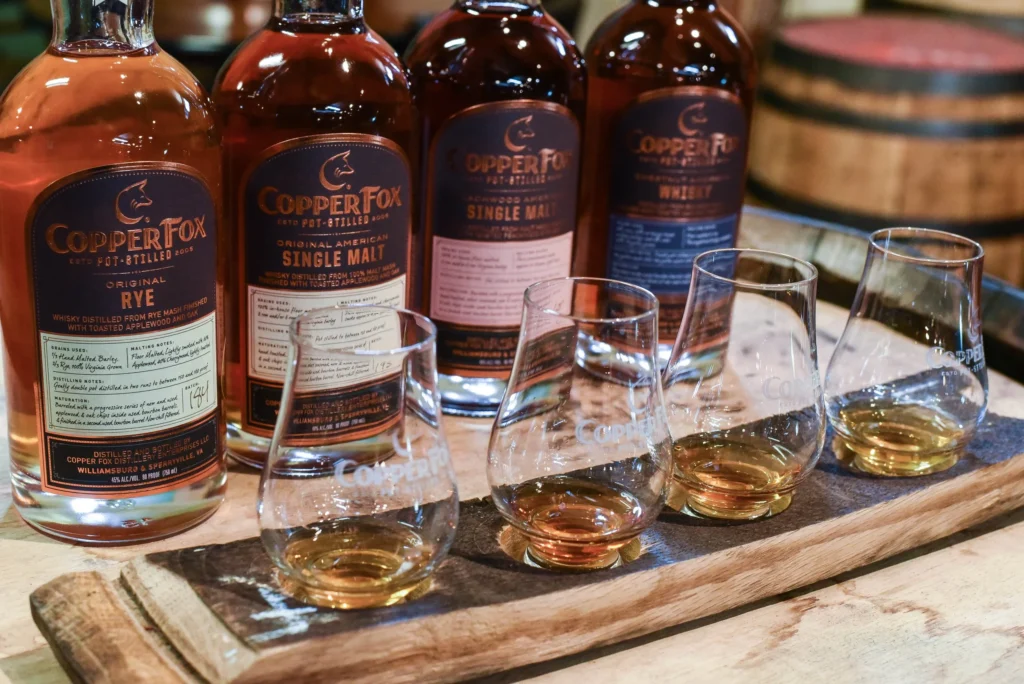
Copper Fox might be the stop that most immediately challenges your expectations of what whiskey can be.
Rick Wasmund’s approach draws from traditional floor malting (one of the few fully fledged malting facilities in the US) while adding Virginia-grown fruitwood smoke and toasted wood to the maturation process.
The result is whiskey with a flavor profile and production philosophy that can be difficult to compare directly to more conventional bourbon.
The Captain’s Club offers another look at that experimental side of Copper Fox, giving members access to specialty products, new releases and additional club experiences. At a distillery known for following its own path, the club creates a way to keep up with the smaller experiments and unusual releases that may come next.
And that’s exactly why I wanted it here.
A starter trail should give you a few familiar reference points… but it should also surprise you.
Copper Fox does that.
The common thread isn’t a particular mash bill, proof point or whiskey style.
It’s difference.
I wanted the trail to move through different parts of Virginia, different production philosophies, different histories and different approaches to hospitality.
You can find single malt, rye, bourbon and experimental whiskey. You can visit family farms, historic buildings, modern production facilities and destinations built around the visitor experience.
You can find distilleries with decades of history alongside producers still writing their first chapters.
And that’s really the point.
Virginia whiskey doesn’t fit neatly into one category.
I also wanted this to be a trail someone could actually use. These aren’t meant to be nine stops you cram into a weekend just so you can say you’ve been to all of them. Pick a few. Build a weekend around a region. Stop somewhere for lunch. Talk to the people working behind the bar. Buy a bottle if something catches your attention. Come back and try another one.
The trail is a starting point, not a finish line.
There are plenty of Virginia distilleries I haven’t visited yet, and plenty more stories waiting to be explored. I hope this trail gives you a few places to begin and maybe encourages you to go looking for the next one yourself.
Find the full Bourbon Bishop’s Virginia Craft Whiskey Starter Trail inside the Virginia Spirits app, where you can use it to plan your own trip and discover these distilleries along the way.
Download the Virginia Spirits app, find the Starter Trail and start exploring.
Explore Virginia, one distillery at a time, with the new Virginia Spirits App.