Ever wonder why you don’t see Virginia-made “tequila” filling the shelves?
Tequila is a protected designation that can only be produced in specific regions of Mexico using blue Weber agave. Much like Champagne or Cognac, its name is tied to its place of origin and regulated production standards. Tequila must contain at least 51% blue Weber agave, meet specific alcohol requirements and be produced in one of five authorized Mexican states. Most tequila comes from Jalisco, home to the town of Tequila.
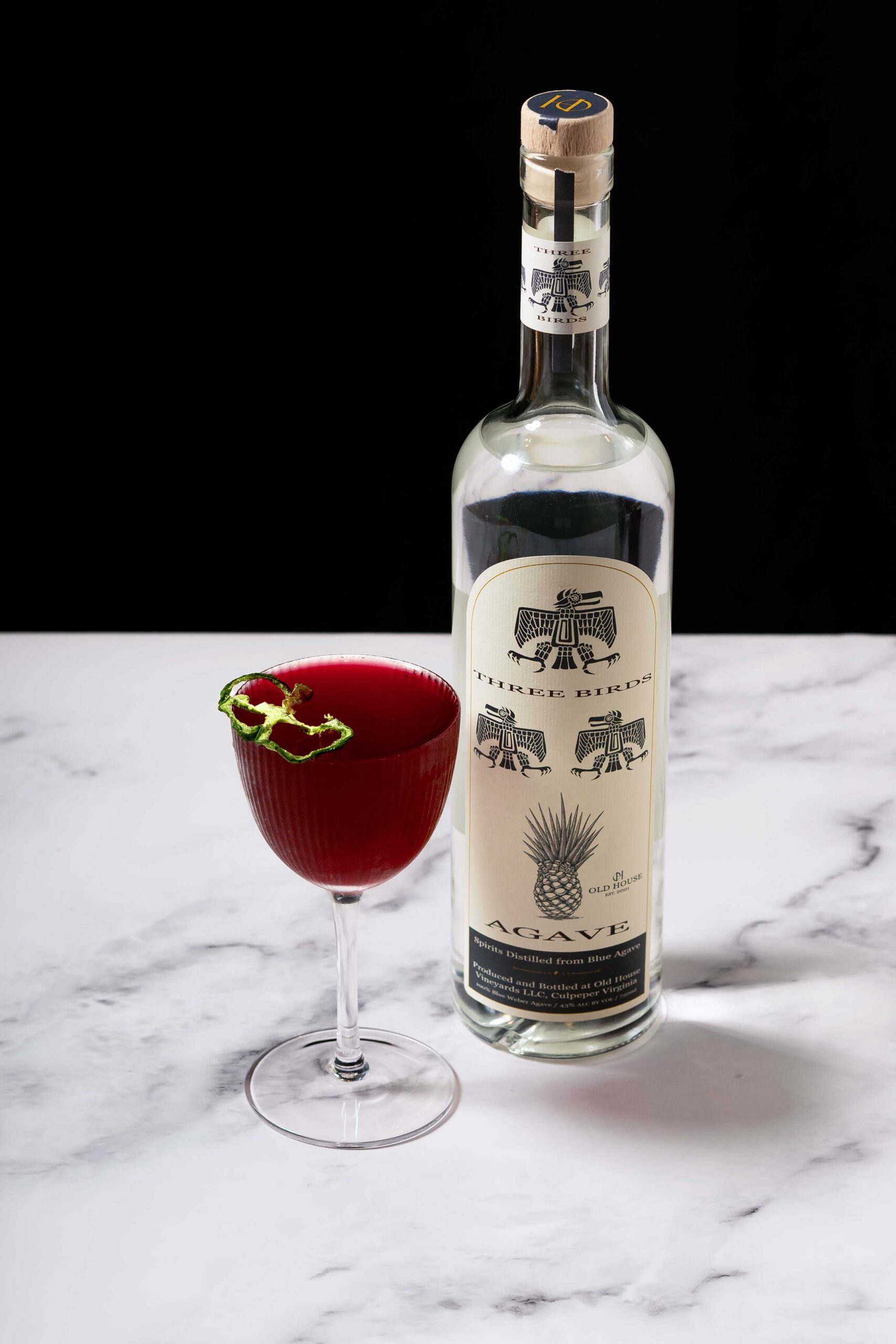
Tequila is just one spirit within the broader agave category. Virginia distillers can use agave nectar or syrup to create distinctive agave spirits that stand on their own while working beautifully in familiar cocktails like margaritas and palomas.
Traditional agave-spirit production begins with mature agave plants. Virginia producers typically work with agave syrup or nectar sourced from regions where the plant grows. While production methods vary, the fundamental steps include:
Agave plants generally require five to eight years to mature. Once ready, the leaves are removed to reveal the piña, the plant’s sugar-rich inner core.
The piñas are slowly cooked to convert their complex carbohydrates into fermentable sugars. Traditional methods may use ovens, autoclaves or underground pits, depending on the spirit and region.
The cooked piñas are crushed or shredded to release their sugary juice, commonly called mosto.
Yeast is added to the mosto, converting its sugars into alcohol. Fermentation may last anywhere from several days to several weeks depending on the producer’s recipe and desired flavor profile.
The fermented liquid is transferred to a still and distilled to concentrate the alcohol and separate the desirable portion of the spirit, known as the “hearts.”
Some agave spirits are bottled unaged for a bright, fresh character. Others mature in oak barrels for several months or years, developing deeper notes of vanilla, spice, caramel and wood.
Virginia-made agave spirits can be enjoyed in many of the same ways as tequila, from sipping neat to mixing into a classic cocktail.
Pour the spirit into a tasting glass and sip slowly. This is an excellent way to explore its roasted agave, fruit, pepper, citrus, oak and herbal notes.
A small amount of ice chills and gently dilutes the spirit, softening its alcohol and revealing subtler flavors.
Agave spirits work well with a wide range of complementary flavors:
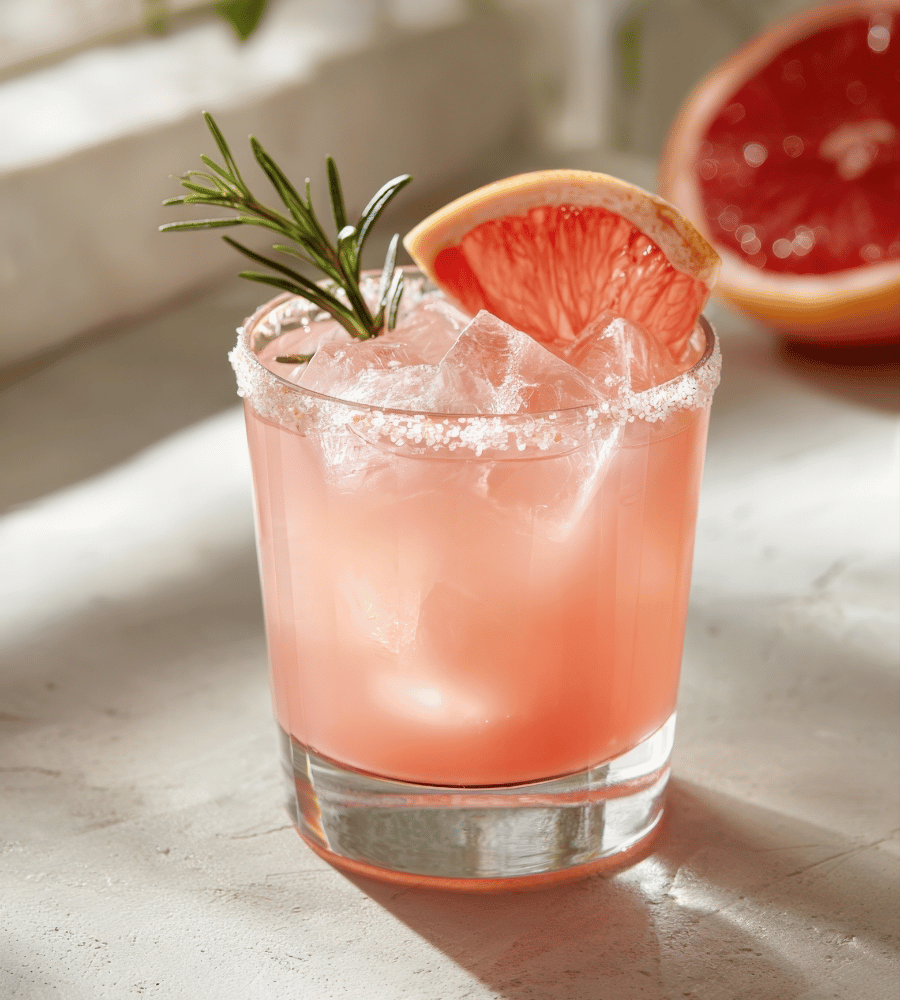
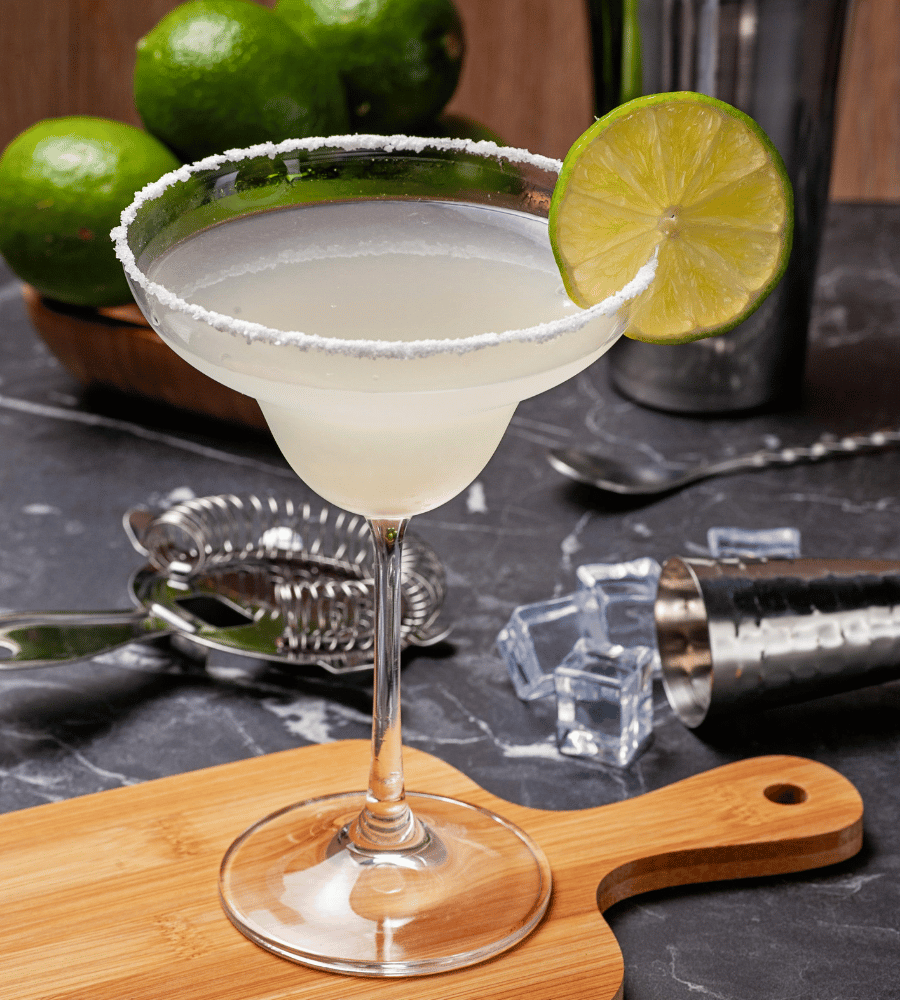
Use Virginia-made agave spirits in place of tequila in margaritas, palomas and other tequila-based cocktails. Although the flavor may not be identical, the substitution can introduce an exciting local character.
Tasting agave spirits engages all the senses. Follow these steps to better understand what is in your glass:
Unaged spirits are generally clear, while barrel-aged expressions may range from pale gold to deep amber. Color can offer clues about the barrel and length of aging.
Swirl the spirit gently and take a light inhale. Look for cooked agave, citrus, tropical fruit, herbs, pepper, vanilla, caramel or oak.
Allow the spirit to coat your palate. Notice its texture and how the flavors develop as you sip.
Agave spirits may be earthy, vegetal, fruity, floral, peppery, smoky or sweet. Barrel-aged expressions can introduce additional notes of vanilla, baking spice and toasted wood.
Pay attention to the flavors that remain after swallowing. The finish may be crisp and peppery or smooth, warming and oak-forward.
Agave spirits are natural companions for tacos and Mexican-inspired dishes, but their versatility extends much further.
Explore Virginia, one distillery at a time, with the new Virginia Spirits App.